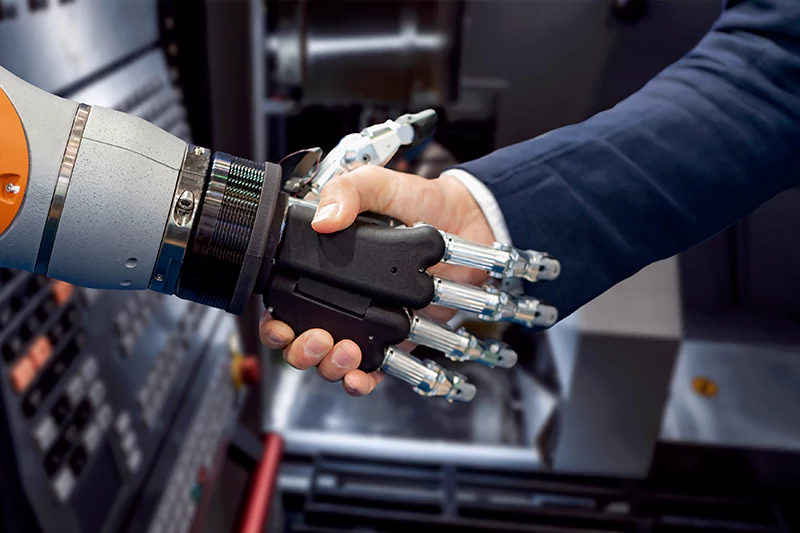

As Intelligent Automation (IA) becomes more integrated into business operations, the workforce is being reshaped. While there are fears of job displacement, the reality is that IA is creating new opportunities, transforming how we work, and improving productivity in ways we never thought possible.
The Role of Intelligent Automation in the Modern Workplace
Intelligent Automation is enhancing employee productivity by automating mundane tasks and allowing workers to focus on higher-value activities. Some of the areas where IA is impacting the workplace include:
- Data Processing: Automating the collection, sorting, and analysis of large datasets in real-time, allowing employees to make data-driven decisions faster.
- Customer Service: AI-powered chatbots handle routine inquiries, freeing up human agents to manage more complex customer issues.
- HR and Recruitment: Automated systems can screen resumes, schedule interviews, and handle onboarding processes, saving time and reducing human errors.
Reskilling and Upskilling for an Automated Future
While IA takes over repetitive tasks, there is an increasing demand for employees with skills in areas like:
- Data Analysis: Workers are needed to interpret and act on the data processed by automated systems.
- AI Development and Management: There will be a greater demand for those who can design, manage, and maintain IA systems.
- Creative Problem-Solving: As automation handles structured tasks, human workers will need to focus on creativity, innovation, and strategic thinking.
The Balance Between Humans and Machines
The future of work isn’t about machines replacing humans; it’s about collaboration. Intelligent Automation serves as a tool to enhance human capability, leading to:
- Increased Productivity: By delegating repetitive tasks to automation, employees can focus on core business functions.
- Workplace Flexibility: Automation allows employees to work remotely and maintain productivity, giving rise to flexible work models.
- Job Creation: Contrary to fears, IA is expected to create new job roles, particularly in tech, customer experience, and data management.